Identifying rodent droppings in your house is crucial for maintaining a healthy living environment. These droppings can indicate an infestation and pose health risks to you and your family. This guide will help Miami homeowners recognize rodent droppings and take appropriate action.
Rodent droppings are small, dark fecal pellets left behind by rodents, indicating their presence in your home. Understanding how to identify these droppings can help you address potential infestations promptly.
What Are Rodent Droppings?
Rodent droppings are the excrement of rodents such as mice and rats. They typically measure between 1/8 and 1/2 inch long, depending on the species. In Miami, where the warm climate supports various rodent populations, recognizing these droppings is essential for homeowners.
Common Types of Rodents in Miami Homes
Miami homes often face challenges from several rodent species, including:
- House Mouse: Small and agile, house mice can fit through tiny openings and are common in urban areas.
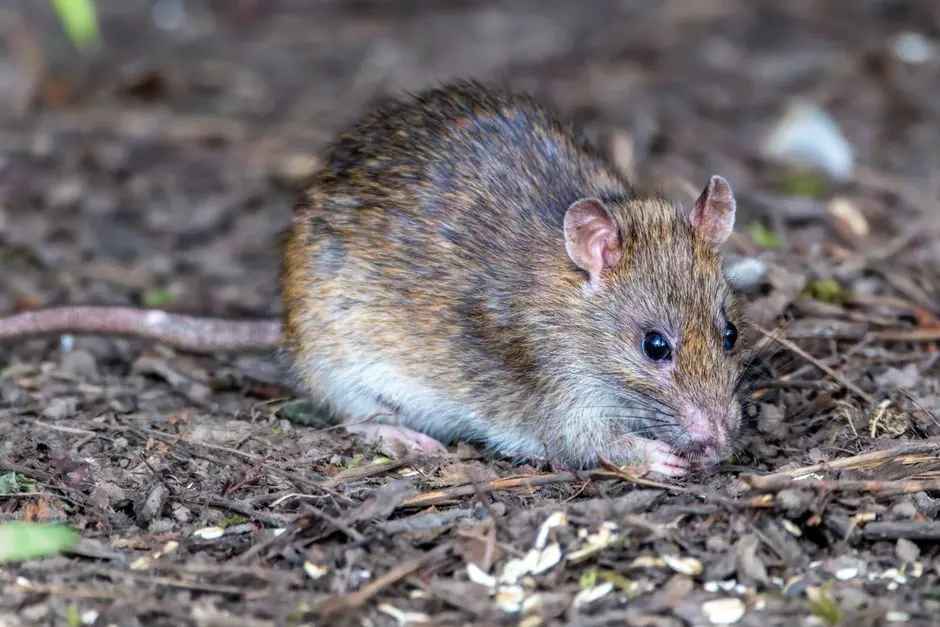
- Norway Rat: Larger than house mice, Norway rats are typically found near food sources and can cause significant damage.
- Roof Rat: Known for their climbing ability, roof rats often invade attics and upper levels of homes.
How to Identify Rodent Droppings
Identifying rodent droppings involves looking for specific characteristics:
- Size and Shape: Droppings vary by species. House mouse droppings are small and pointed, while rat droppings are larger and blunt-ended.
- Color: Fresh droppings are usually dark brown or black, while older droppings may become dry and gray.
- Location: Droppings are often found in areas where rodents travel, such as along walls, in cupboards, or near food sources.
For Miami residents, understanding these details aids in recognizing potential infestations early. If you suspect a rodent presence, consider scheduling a Rodent Inspection and Assessment Miami FL to confirm your findings.
What to Do If You Find Rodent Droppings
Finding rodent droppings should prompt immediate action:
- Wear gloves and a mask to protect yourself from potential health hazards.
- Seal off the area to prevent further access by rodents.
- Clean the droppings using a disinfectant solution to minimize health risks.
- Consider contacting a professional for thorough Rodent Trapping and Removal Miami FL services.
Common Mistakes in Identifying Rodent Droppings
Many homeowners make mistakes when identifying rodent droppings:
- Confusing with Other Animal Droppings: Different animals leave different droppings. Research is essential to avoid misidentification.
- Ignoring the Signs: Droppings are a clear indication of rodent activity. Ignoring them can lead to larger infestations.
- Assuming All Droppings Are Fresh: Older droppings can dry out and change color, making them harder to identify.
When to Call a Professional
If you find rodent droppings, it's wise to call a professional. Experts like Rodent Exclusion Services Miami FL can assess the situation, identify entry points, and implement effective solutions to prevent future infestations.
Frequently Asked Questions
1. How can I tell if droppings are fresh? Fresh droppings are dark and moist. As they age, they dry out and become lighter in color.
2. What health risks do rodent droppings pose? Rodent droppings can carry diseases such as hantavirus and salmonella, posing health risks to humans.
3. Can I clean rodent droppings myself? Yes, but take precautions. Wear gloves and a mask, and use a disinfectant to clean the area.
4. How do I prevent rodents from entering my home? Seal cracks and holes, keep food stored properly, and maintain cleanliness to deter rodents.
5. What should I do if I see a rodent? Contact a professional pest control service immediately to handle the situation effectively.
Get help with Rodent Control in Miami
If you suspect a rodent problem in your home, don't hesitate to seek help. Contact us for expert rodent control solutions tailored to Miami residents.
Call us today at +17869210665.